
Learn the Science. Change the Story. Change the Pain.
Explain Pain® Education
Do you continuously or intermittently experience symptoms from any of the following:

- Back/Neck Pain
- Achy Joints
- Depression
- Plantar Fasciitis
- Tendonitis
- Sciatica
- Anxiety
- IBS or TMJ
- Endometriosis
- Carpel Tunnel
- Fibromyalgia
- Muscle Strains
- Headaches
- Chronic Fatigue
- Osteoarthritis
- More . . .
Understanding pain can change pain and reduce suffering!
Research supports PAIN SCIENCE EDUCATION as a key component of best-practice care for many people living with persistent pain.
Test Your Pain Knowledge
How well do you understand how pain works and why you still hurt?
No Grades – Just Learning
Join a Group
Pain Story Project offers interactive Explain Pain® education groups that combine modern pain science with the power of personal story. Discover how a new understanding of pain can can shift your perspective and support your recovery.
How we Help
Stories help us make sense of life’s experiences, including pain. The stories we tell ourselves reflect our knowledge, beliefs, expectations, emotions, and past experiences. Research suggests that the way we understand and respond to persistent pain can influence our experience of pain, suffering, and recovery.
A new understanding doesn’t erase the past, but it can transform your relationship with pain. As knowledge replaces fear and curiosity replaces uncertainty, you can begin to reinterpret your Pain Story with greater compassion, resilience, and optimism—opening the door to a more hopeful next chapter.

Donate Today
Please help us reduce the incidence of persistent pain worldwide through offering low-cost educational programs. Pain Story Project is a 501(c)(3) nonprofit organization funded by the generous donations of our supporters.
The Chronic Pain Problem
- Approximately 1.5 billion people worldwide live with chronic pain, including nearly 1 in 4 adults in the United States.
- Current approaches for persistent pain often focus on symptom management rather than complete elimination of pain.
- The majority of pain treatments only target the physical body which is often ineffective.
The Pain Story Project Solution
- Research suggests that learning about persistent pain can improve pain-related outcomes.
- Chronic pain is influenced by many interacting factors—biological, psychological, and social processes.
- Modern pain science emphasizes that persistent pain is often better understood as a nervous system and pain processing issue rather than being explained solely by tissue damage.
From Our Blog
Breaking Free from the Fear-Avoidance Cycle
Breaking Free from the Fear-Avoidance Cycle What we don’t understand, we fear. What we fear, we judge as evil. What we judge as evil, we attempt to control. And what we cannot control…we attack. —Anonymous This anonymous quote seems quite applicable to pain....
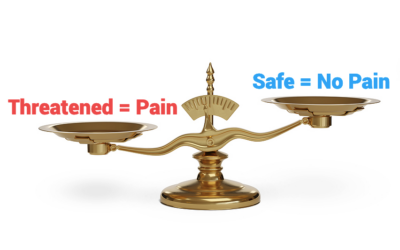
Pain: A Balancing Act Between Feeling Safe or Threatened
Pain: A Balancing Act Between Feeling Safe or Threatened Our emotional state impacts our chronic pain experience. Thus, feeling safe or threatened can increase, decrease, or completely eliminate the sensation of chronic pain. Essentially, how much something hurts is...

Story Share: Pause, Reflect, and Choose into an Athletic Challenge to End the Pain
Story Share: Pause, Reflect, and Choose into an Athletic Challenge to End the Pain Story by Jessica Kisiel and shared with her permission To Ride or Not to Ride? Some time ago, this was my query, whether to go on a challenging bike ride or to stay home. I...
